
Most owners can tell you what they paid for their website. Very few can tell you who owns it. The domain, the hosting account, the DNS, the code and the accounts around it can all sit in someone else's name, and you only find out when you try to leave.
Practical advice for business owners
tired of marketing nonsense.
No growth hacks. No "10x your traffic" secrets. Just honest guides from someone who builds websites for a living — and a penguin who won't shut up about build quality.
All Posts
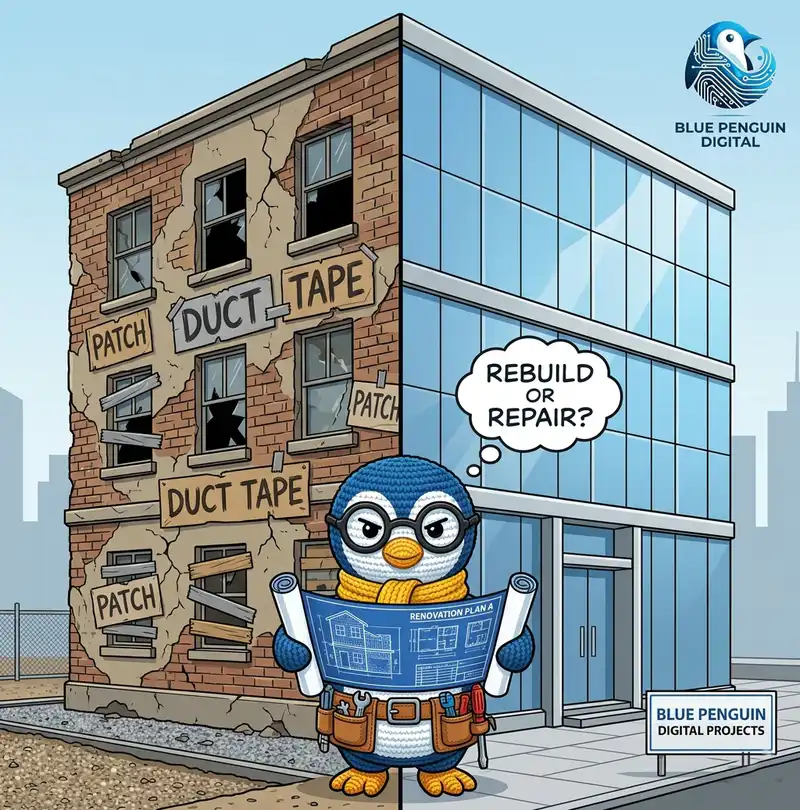
Site down, slow, or broken after an update? Here's what we repair, what it costs, how fast we can look at it, and how to tell whether a repair or a rebuild is the cheaper option.
Weekly updates feel productive. They usually aren't. Why constant editing drifts your voice, bloats your pages, and chases a freshness signal that barely matters for a small business website.
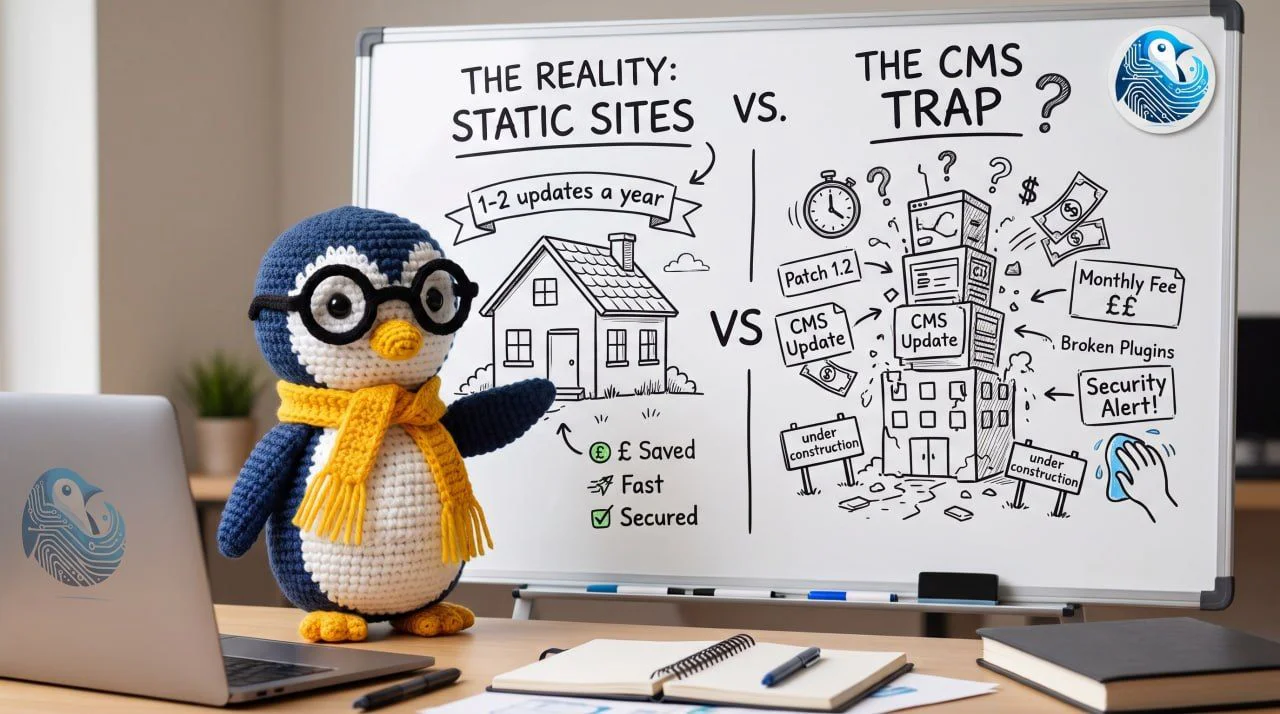
The question everyone asks is "but how do I edit it?" The more important question is what a CMS is doing on your site in the first place. Security and cost, the honest version.
One wrong command deleted our entire server. The only reason we were back online in fifteen minutes is that we had planned for the day something went wrong. Most developers do not. This is why the cheap option costs more.
We started posting on LinkedIn last week because we got tired of seeing the same garbage. Begging posts. Fake conversations. Virtue signalling. Here is what we tried instead, and why we still do not know if it works.
Cloud Nine Play Cafe needed a booking system before opening day. Off-the-shelf platforms didn't fit. Here's how we built one from scratch — Laravel, Stripe, and enough edge cases to fill a notebook.
A website tells people about you. A web application runs your business. Most agencies only build the first one. Here's what the second one actually does — explained without the jargon.
A "free" website sounds like the easiest business decision you'll make. But the catch is that the website isn't the product — the hosting is. Here's what the model actually costs over time, and whether renting or owning makes more sense.
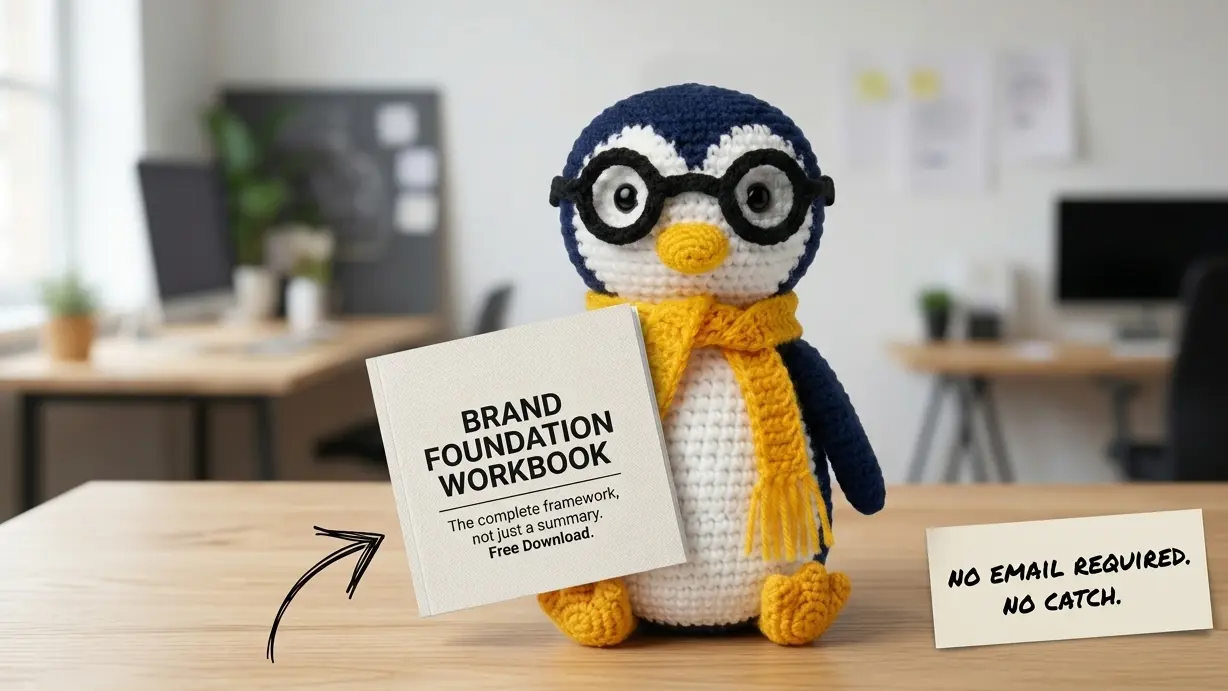
The Brand Foundation Workbook is our brand book methodology as a free PDF — five parts, nineteen pages, no email gate. Here is why we made it.
Most small businesses have never seen a brand book. We build one internally for every project — here is why, and what actually goes in one.
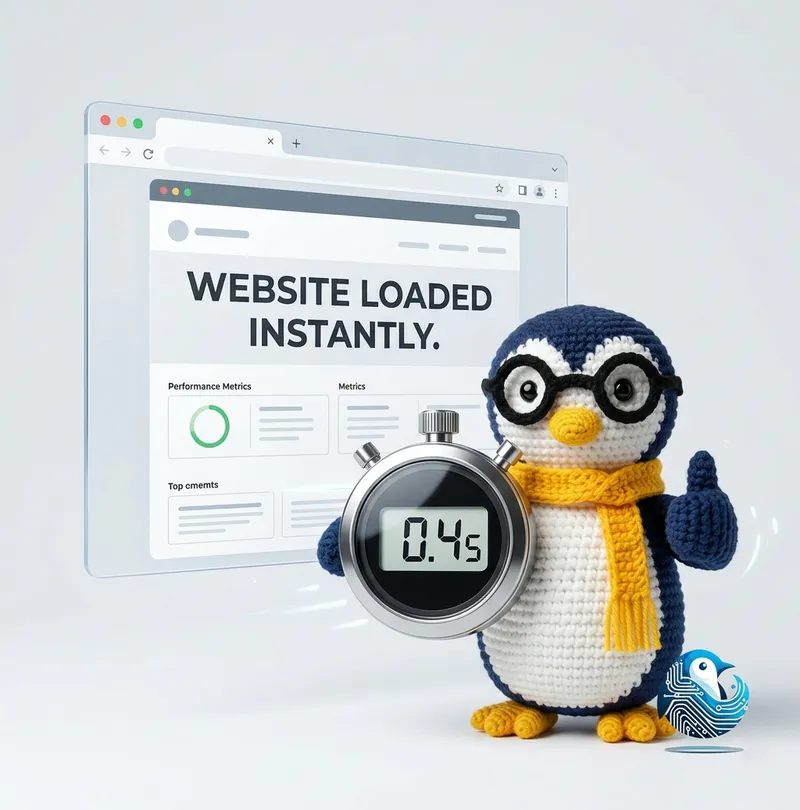
You ran your site through PageSpeed Insights and got a number. Here is what it actually means, which bits matter, and why chasing 100 is usually a waste of time.
£150 per month sounds affordable until you do the math. Over 5 years that's £9,000 — for a website you'll never own. Here's what the subscription model actually costs you, why it exists, and how to spot the trap before you sign.
Your website's job is to be fast, readable, and well-structured. Marketing's job is to get people there. Confusing the two leads to expensive mistakes.
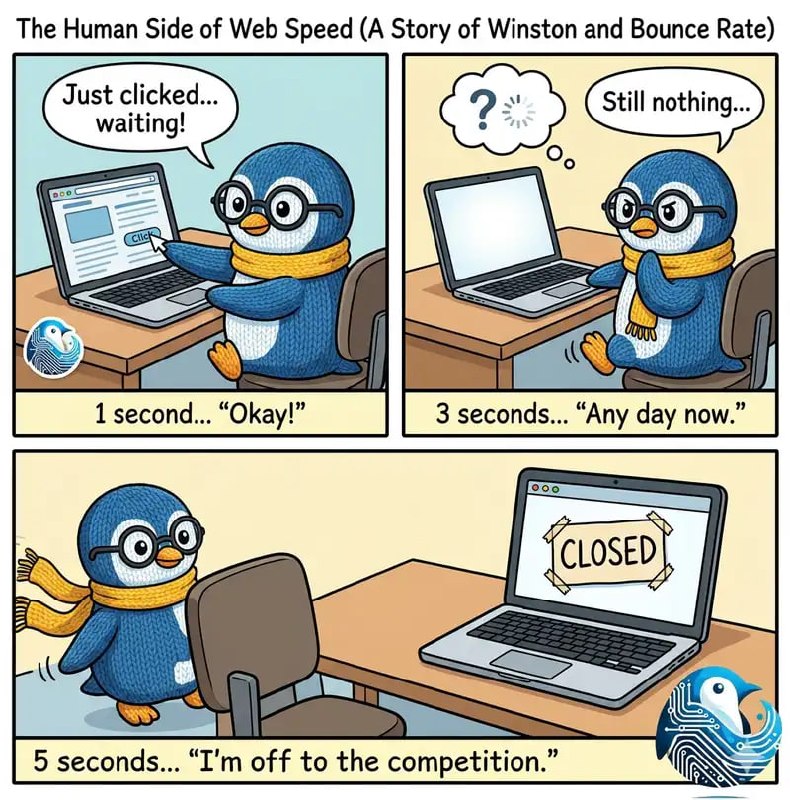
Every second your site takes to load, you're losing customers. Here's what slows websites down, how to test yours, and what good looks like.
The honest reason your new site isn't ringing off the hook — and what you actually need to do after launch.
If leads are dropping because your pages feel slow, performance-led build standards fix the root issue — clean code and measurable targets, not plugin patches.
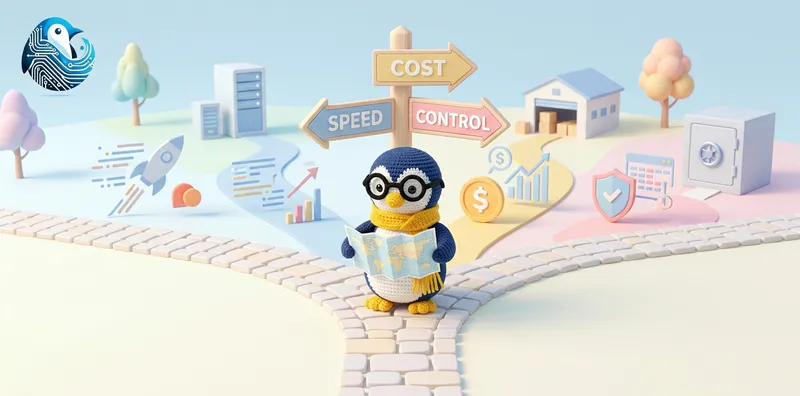
A practical framework that helps you avoid expensive rebuilds caused by picking the wrong platform first time. Fit first, tools second.
Speed, security, and control. Why a website built properly — without the bloat of page builders and plugins — consistently outperforms its pre-built rivals.
There's no universally best platform. A structured framework for making the right call — the same one we use with clients before writing a single line of code.
Your website's speed is determined by the stack decisions you make at the start. Rendering model, asset strategy, image discipline, and hosting — get these right and everything else is fine-tuning.
Most agencies give you a shiny report about how perfect they are. We'd rather tell you how it actually went — the mistakes, the late-night tea, and the stuff we got wrong before we got it right.
Moving away from WordPress isn't a reset if it's done properly. A disciplined migration preserves your content, your visibility, and your conversion paths — while fixing the problems that made you want to leave.
WordPress can be useful — but for most small business brochure sites, it's like driving a lorry to the corner shop. 7 signs your setup is heavier than it needs to be.
Page builders have genuine use cases, and a custom build isn't always the right call. A side-by-side comparison so you can decide based on facts rather than sales pitches.
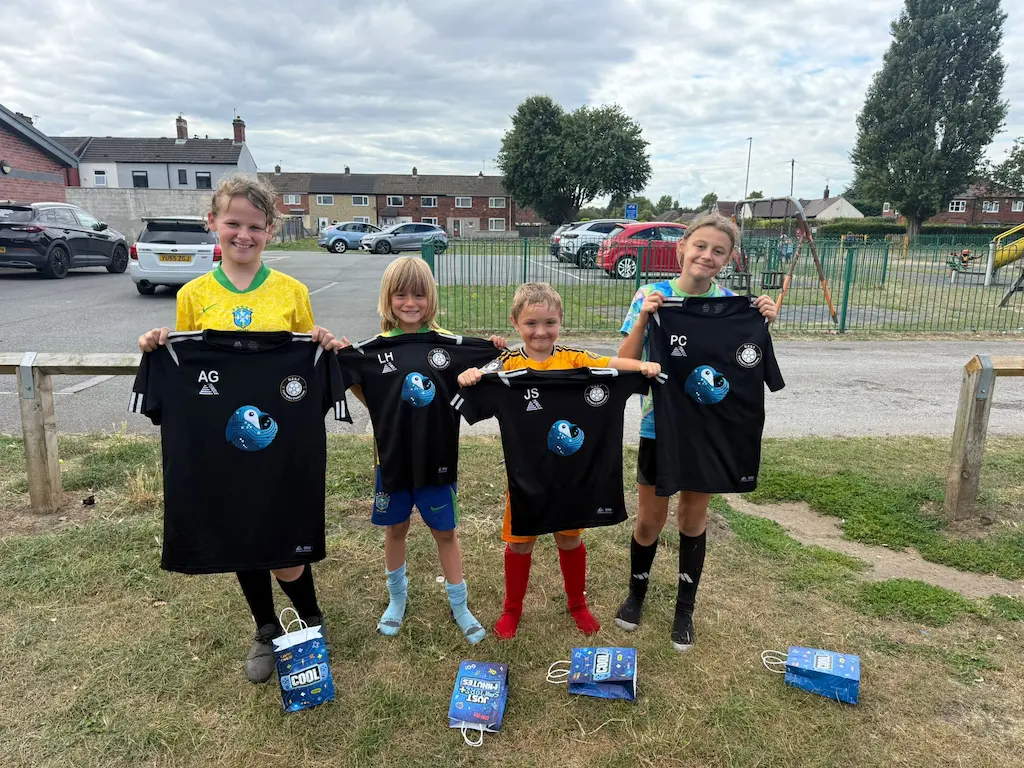
We aren't just a business in Wakefield — we're a business for Wakefield. How we helped a grassroots football coach swap spreadsheets for a proper booking system.
Why Blue Penguin Digital does things a bit differently than your average agency. The first post on the blog, and the biscuit rating system is born.
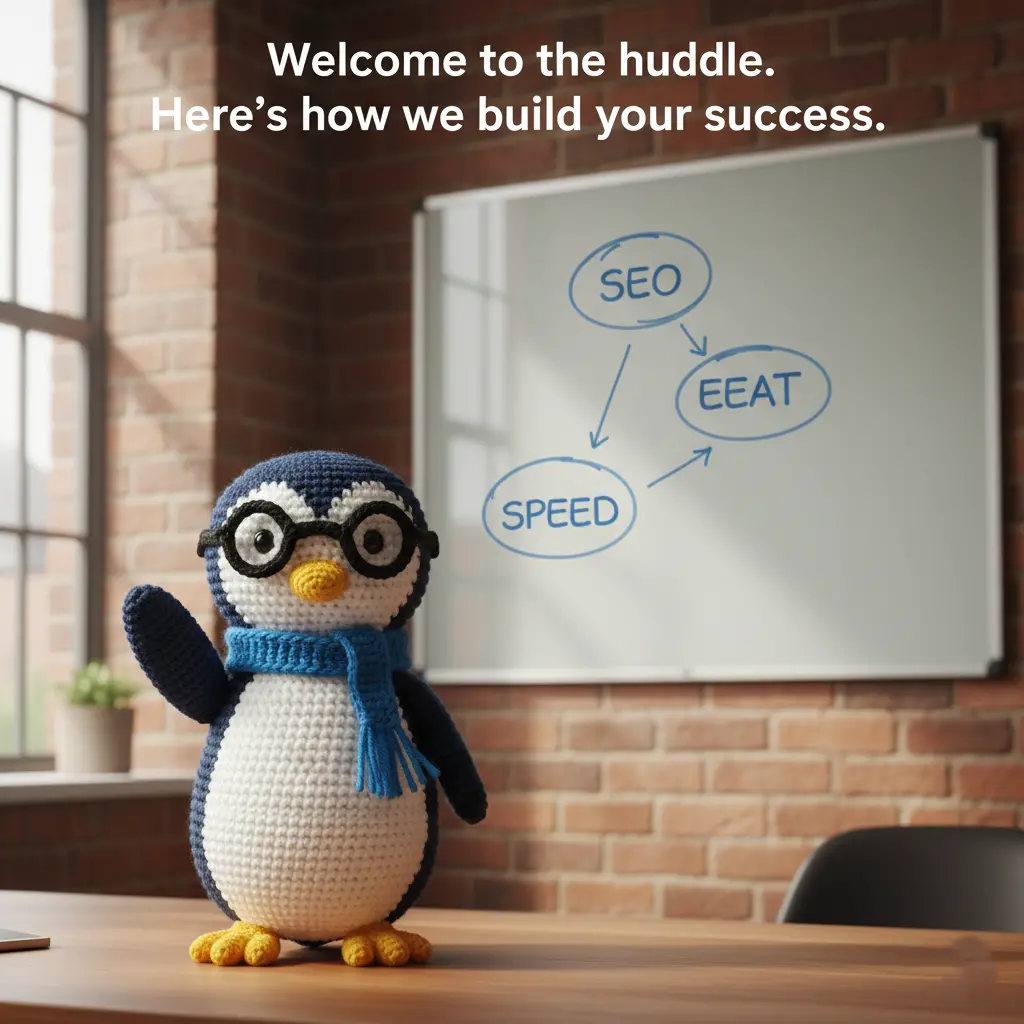
When you commission a build with us, you're not just buying a layout — you're buying a comprehensive growth framework. Here's exactly what happens when you join the huddle.
Heavy animations are often a tactic to hide slow-loading pages. Here's why we use purposeful motion instead — and why your bounce rate thanks us.
Free Brand Foundation Workbook
Our brand book methodology as a free PDF. Five parts, nineteen pages — no email gate, no catch.
Download the workbookGot a project in mind?
Let's have a Virtual Cuppa. No pressure, no jargon — just a helpful chat about your goals.
Get in touch